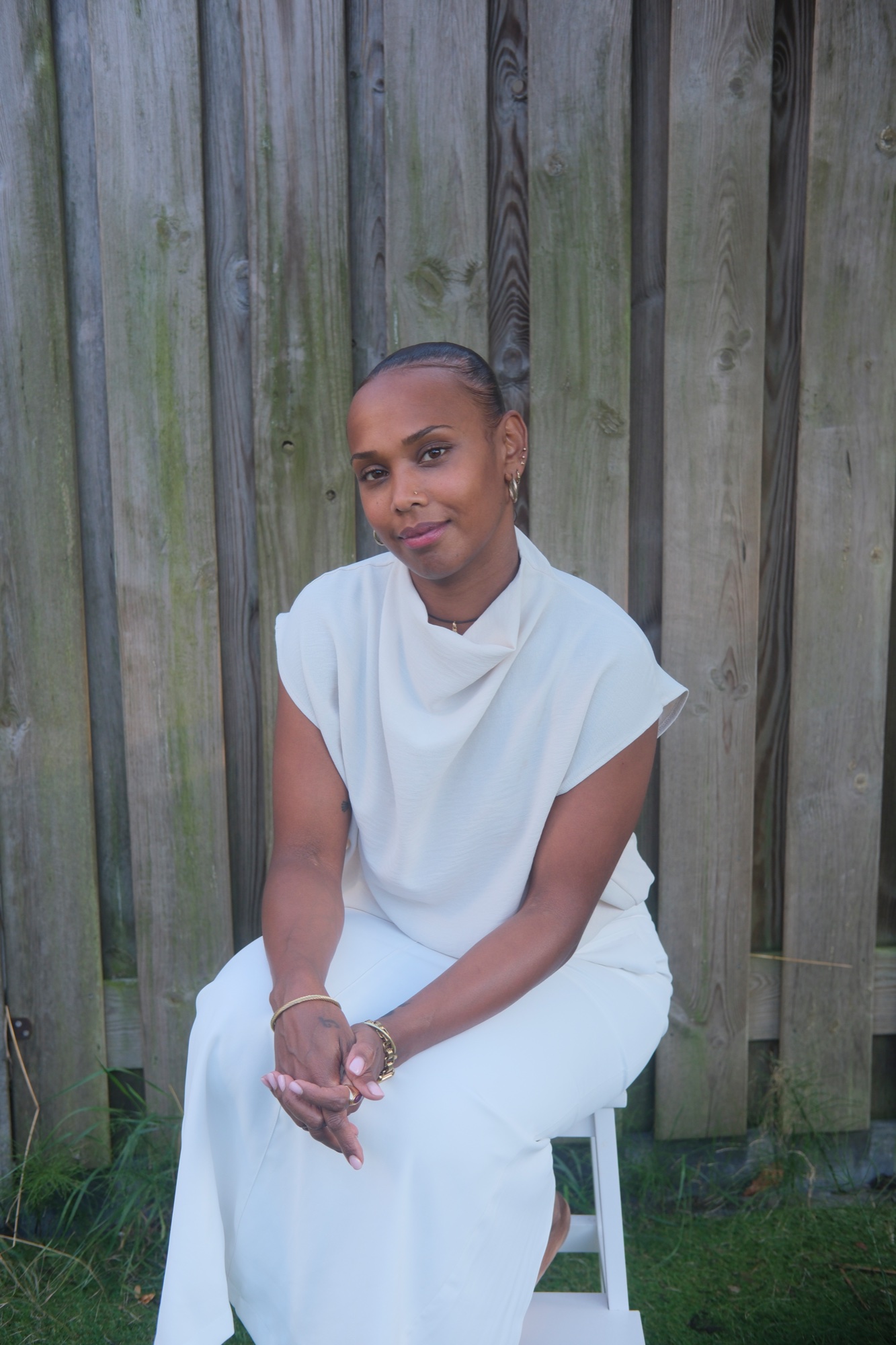
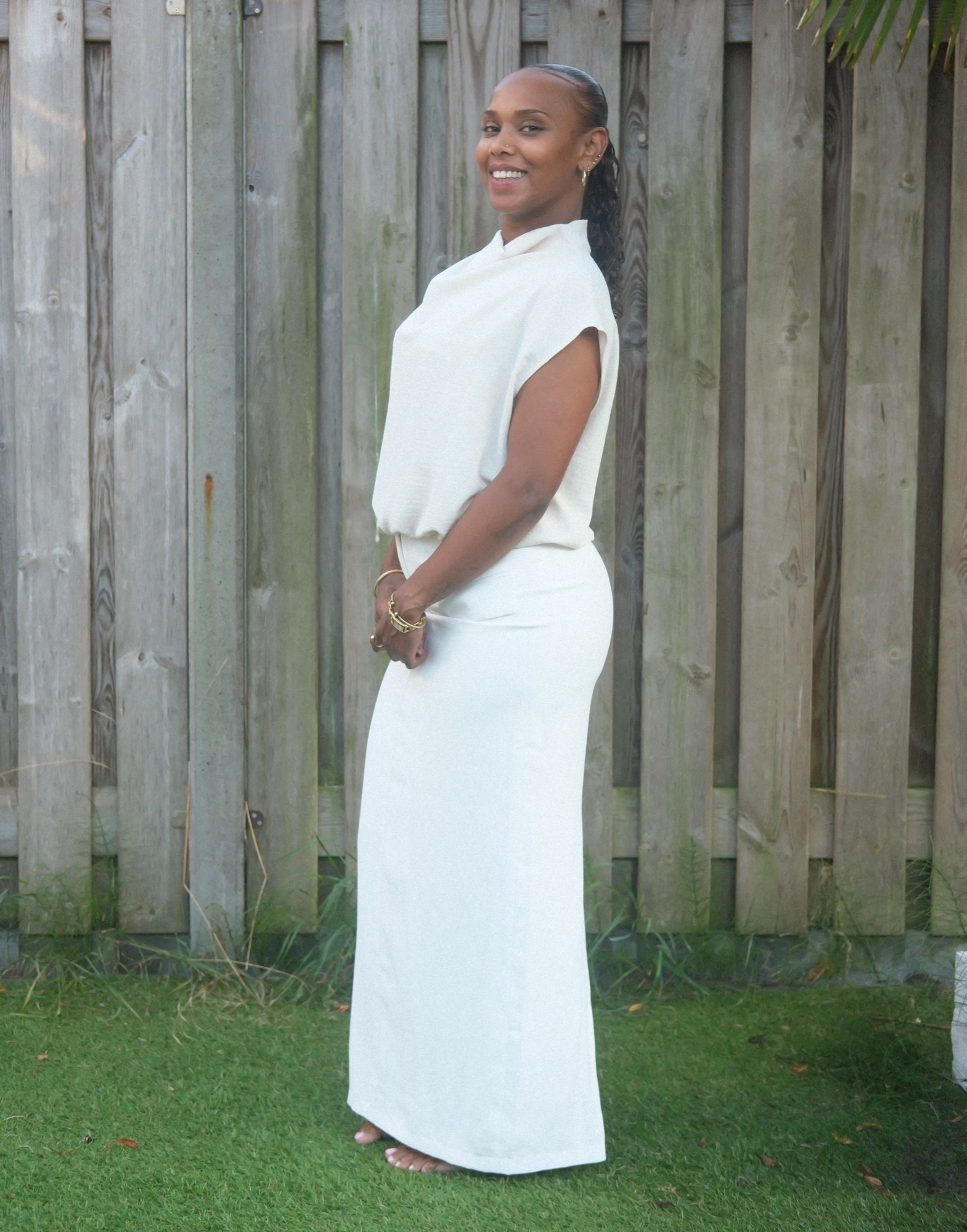
Welcome

I would like to invite you into my world through my story, in the hope of informing and inspiring you, while urgently searching for a liver donor. My life expectancy is currently estimated at 1–2 years, which has made my search for a donor even more urgent.

This platform, toliveher, is more than just my personal story. My aim is to inspire and motivate others and to show that, despite setbacks and challenges, you can continue to believe in yourself and explore the options and alternatives that life offers us.

Beyond finding a donor, I am passionate about creating greater awareness of Autoimmune Hepatitis (AIH), liver disease, and living liver donation. These are topics that often remain invisible until they touch someone's life directly. By sharing my journey, I hope not only to find help for myself, but also to educate, inspire, and support others facing similar challenges. I want to encourage more open conversations about liver health and donation, and help people better understand the profound impact they can have on someone's life.

Hopefully, my story will inspire you and perhaps even encourage you to look at your own life and possibilities in a different way.

Welcome to toliveher.

Read my story
O+
Blood type
O+ and O- are compatible
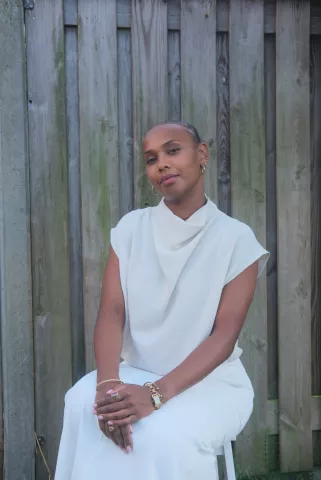
Diarra DSF9715

Latest updates

Explore our stories and learn more about AIH, liver disease, and living liver donation.

Through personal stories, conversations, and experiences, we aim to raise awareness about Autoimmune Hepatitis (AIH), liver disease, liver transplantation, and living liver donation. By sharing real journeys, we hope to educate, inspire, and help more people understand the life-changing impact of organ donation.

About me

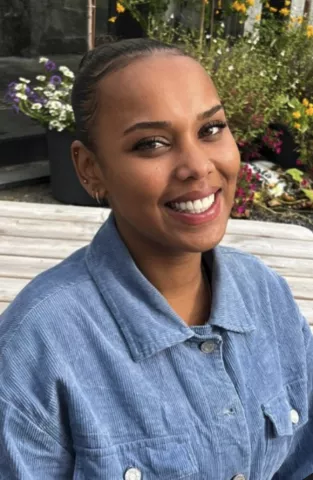
Diarra DSF9722

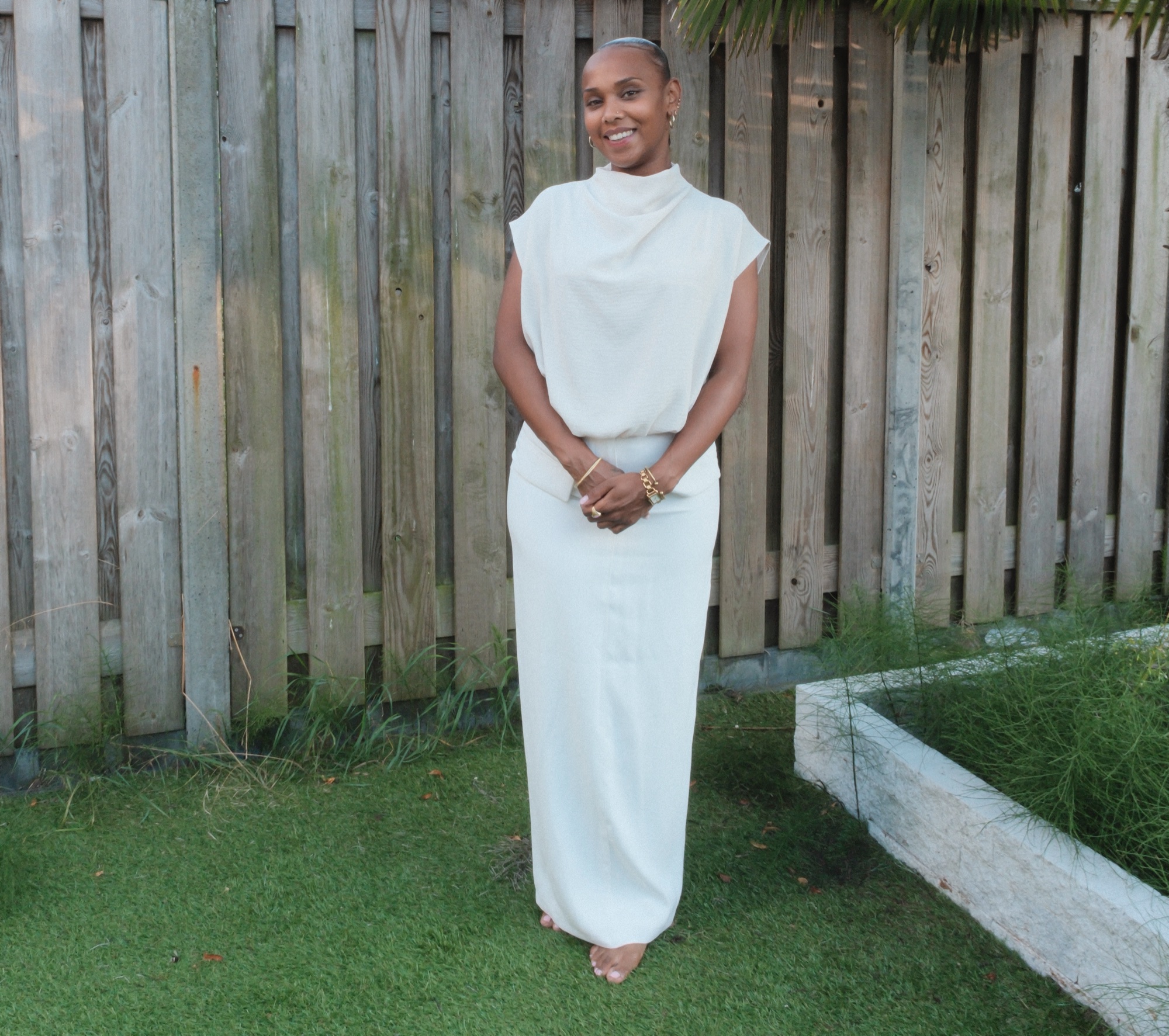
I'm Diarra, mom of two with Senegalese roots residing in the Netherlands. As a teacher at the ROC of Amsterdam, a former healthcare professional and student nutrition, I exude a great passion for health and well-being through my work and everyday life. These different roles are all part of who i am.

Living with Autoimmune Hepatitis (AIH) and facing the reality of needing a liver transplant has given me a unique perspective on life, healthcare, and the challenges patients face every day. Along this journey, I have discovered that there is still far too little awareness and understanding of AIH, as well as living liver donation.

Many people have never heard of AIH until it directly affects them or someone they love. The same is true for living liver donation, despite the life-saving opportunities it can provide. This lack of awareness can leave patients feeling isolated and overwhelmed while navigating an already difficult journey.

That is why I created toliveher

Through this platform, I hope to raise awareness about AIH, liver disease, liver transplantation, and living liver donation. My goal is to create a place where people can find reliable information, hear real stories, and better understand the impact these conditions have on individuals and families.

By sharing my own journey and the experiences of others, I hope to support, guide, and empower people who are walking a similar path. Whether you are a patient, a family member, a potential donor, or simply someone looking to learn more, I hope this platform helps you feel informed, connected, and inspired.

Toliveher is here to create greater awareness, encourage meaningful conversations, and help bring hope to those whose lives are affected by liver disease.

Is it risky to become a liver donor?

The donor/giver needs to:

  • Be between 18 and 55 years old
  • Have a BMI (Body Mass Index) below 33
  • Have no active drug or alcohol abuse
  • Have blood type O positive or O negative
  • Donate only a small portion of their liver
  • Allow two to three months for the donated portion of the liver to naturally grow back to its normal size
  • Be aware that complications for the donor are possible, although they are rare

My Story

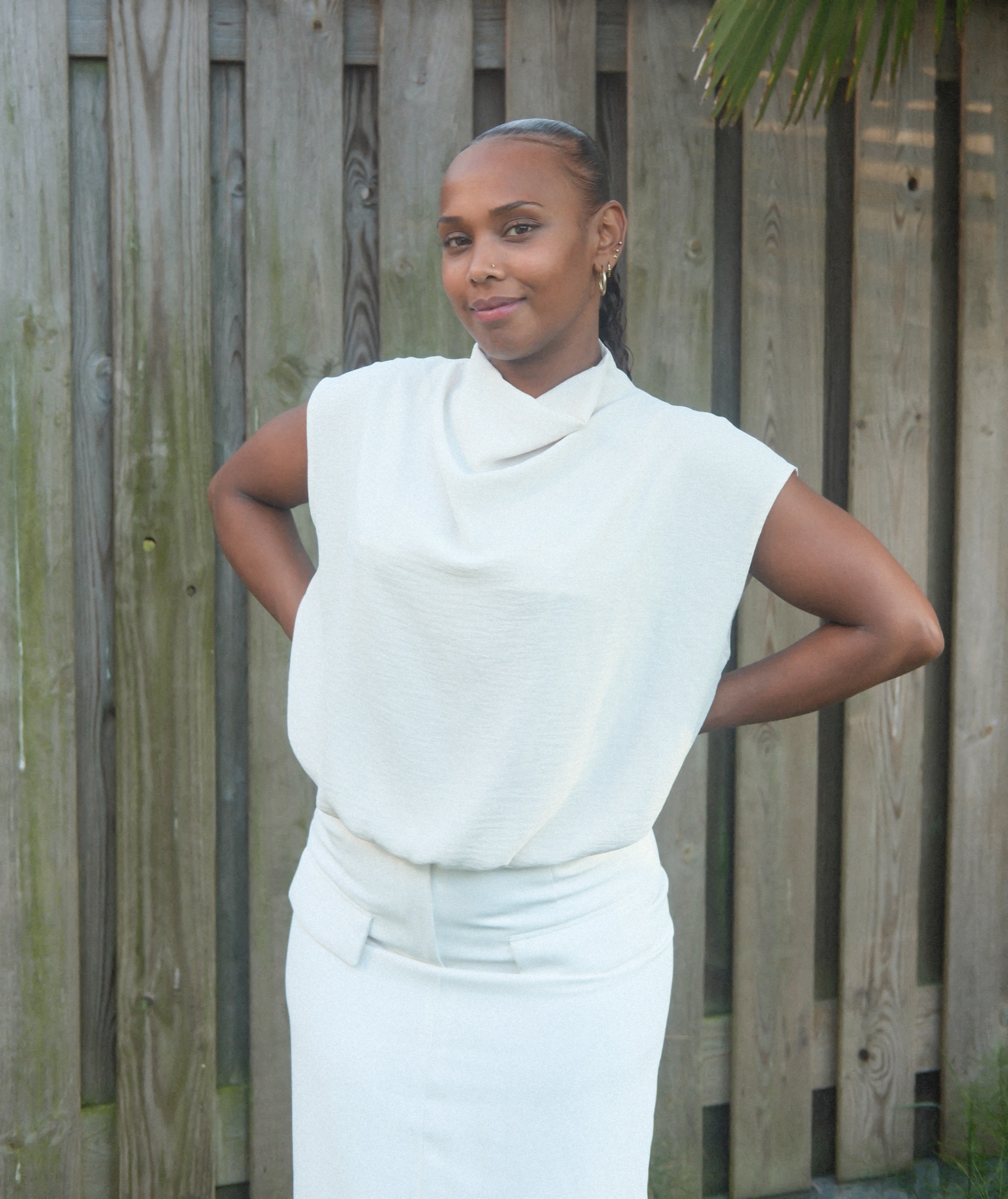
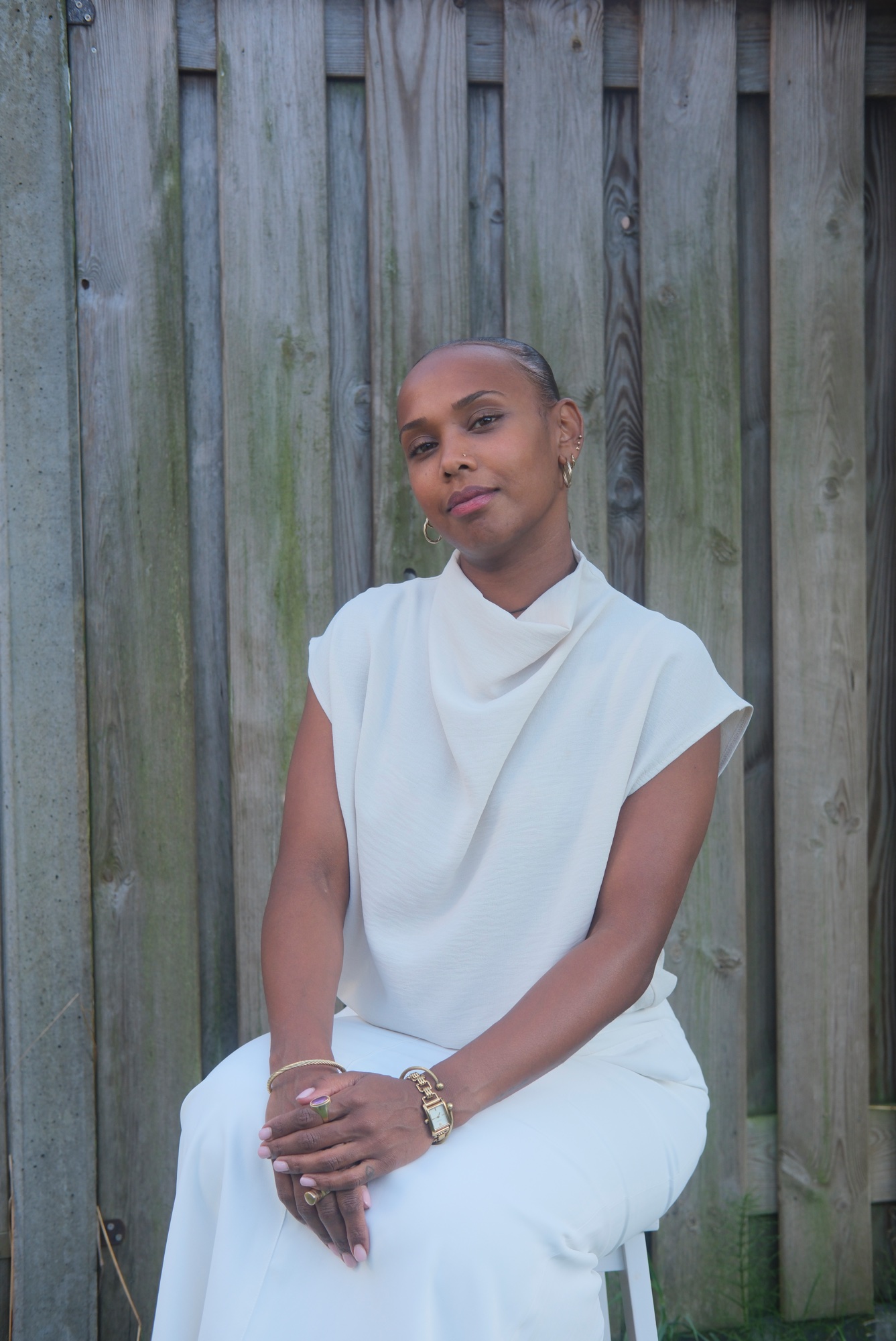
Diarra DSF9732

My name is Diarra, and I teach new healthcare professionals at the ROC of Amsterdam. I have a genuine passion for health, well-being and living a balanced healthy lifestyle. This passion is one of the reasons I want to share my story, raise awareness about my situation and tell people about my search for a possible living donor.

While working in primary healthcare, I began developing health problems in 2016. I lost my appetite and consequently lost a great deal of weight. Joint problems quickly followed. I subsequently noticed that I bruised more easily, developed small wounds more frequently and that they healed poorly. Above all, I became extremely tired. At one point, the fatigue became so severe that, during a conversation with a patient, I could barely keep my eyes open.

That same day, I took a laboratory request form from the cupboard, ticked off several tests and asked a colleague to take a blood sample from me.

A few days later, I received the results. I was utterly and visibly shocked when I learned that my liver values were severely abnormal. A colleague referred me to an internist.

After numerous examinations, I was diagnosed with autoimmune hepatitis (AIH) in 2018. After a long period of symptoms and uncertainty, the diagnosis finally provided an explanation.

AIH is a chronic liver disease in which the immune system attacks the liver, causing damage that can eventually prevent the liver from functioning properly or, in severe cases, from functioning at all. By the time I was diagnosed, my liver was already severely damaged and I had developed liver cirrhosis. I immediately started taking high doses of prescribed medication, which came with unpleasant side effects.

At one point, my liver was so severely damaged that I was advised to be placed on the transplant waiting list. This was extremely confronting and frightening.

Changing my lifestyle, diet and daily habits became a necessity.

By making conscious decisions and working closely with my medical team, I managed to stabilise my health. As a result, I’m still living with my own liver today. That is something I’m incredibly grateful for and proud of.

Now, several years later, my life has changed dramatically as a result of my condition. Coping with fatigue, taking daily medication, having a weakened immune system, attending regular hospital visits, being admitted to hospital and adjusting my diet have all become part of my life.

Accepting my chronic condition has not always been easy. For years, I felt ashamed to tell other people that I was ill. I was afraid of being pitied or misunderstood, which prevented me from being open about my situation. I didn’t want to be seen as weak or different, so I kept my illness hidden from many people.

On the outside, there was also nothing to show that I was ill.

Over time, I began to realise that acknowledging and sharing information about my illness are not signs of weakness. On the contrary, they can be a source of strength and an important part of self-acceptance. Slowly, I began to share my story, which eventually led me to the point where I now feel able to speak openly about it. That confidence gave birth to this platform (toliveher).

My condition also greatly increased my interest in nutrition and the influence of nutrients on the body. I realised how essential good nutrition can be when living with a chronic illness and I developed a desire to learn more and gain a deeper understanding of my condition. For that reason, I started a bachelor's degree in Nutrition and Dietetics while working a full time job.

Over the years, I have gained a great deal of scientific knowledge and learnt how to become the best version of myself. It took some time, but I can now say that I have found a good balance between my limitations, my health, and my daily life. This is not just about nutrition, but also about movement, personal care, wellness, and personal development.

I’m proud of the steps I’ve taken. I have learnt that acceptance isn’t the same as giving up. It means learning to live with your circumstances in a way that gives you strength and motivation.

My illness has become part of my story. A story I can now tell with my head held high.

At the same time, I have once again reached an important crossroads in my life. On 9 September 2026, I had a follow-up appointment with my medical team at Erasmus MC. During that conversation, I asked them about my current life expectancy. My doctor from the MDL department at Erasmus MC told me that my life expectancy is estimated at 1–2 years.

My medical team and I immediately came to the conclusion that a liver transplant was urgently required to address this life-threatening situation.

As I’m writing this, my liver function continues to deteriorate.

To prevent my other organs from being affected as well, a liver transplant has now been recommended.

Fortunately, I am still relatively fit and strong. That’s why it’s important to take immediate action, so that I can go through this intensive process in the best possible condition and give myself the best possible chance of recovery.

Be A Donor

The search begins

There are two possibilities for a liver transplant: the recipient can receive a liver from a deceased donor or part of a liver from a living donor.

I am urgently looking for someone who is willing to donate part of their liver to me.

A living donor liver transplant could give me the opportunity to receive a transplant as soon as possible before my health deteriorates further. In addition to my preference for a living liver donor, transplantation with a living donor offers several advantages compared to transplantation from a deceased donor.

Finding a living donor in time is therefore incredibly important to me. It could give me the opportunity to move forward with my life and be there for my children and loved ones.
My strength

When life presents you with major challenges, where do you find the strength to keep moving forward?

For me, that strength begins with the people around me. My support system means everything to me. My children, my mother, my family, my partner, and my friends give me love, support, and the motivation to keep going, even on the most difficult days.

My mother, in particular, has been an incredible source of strength throughout my journey. She is always there when challenges arise, offering both practical support and emotional encouragement. Through her support, I am able to focus on my health, stay active, and continue doing the things that help me feel physically and mentally stronger.

Over time, I have learned that you do not have to carry life's burdens alone. Having people you can rely on is a gift that should never be taken for granted. Their support reminds me that even in difficult times, I am not alone. At the same time, I am very aware that not everyone has that same support system. That is why it is important to me to support and encourage others who may be navigating similar challenges on their own.

Another important source of strength for me is movement. Exercise has been part of my life for many years and remains essential to my physical and mental well-being. I regularly do strength training, running, and Pilates. For me, movement is about much more than fitness. It brings structure, energy, and resilience to my daily life. It reminds me of what my body is still capable of, despite the challenges I face.

Living with Autoimmune Hepatitis (AIH) comes with its own challenges. I experience rheumatic symptoms, and mornings are often the hardest part of my day. Pain and stiffness in my joints can make even the simplest tasks feel difficult. That is precisely why I choose to move. Once I start exercising, I notice my body becoming more mobile and the stiffness gradually easing. Movement helps me regain a sense of control and independence. I also experience oedema (fluid retention), which can cause a lot of swelling in my belly and legs throughout the day. Keeping active helps me manage these symptoms and improves how I feel physically and mentally.

Consistency has become one of my greatest strengths. Not because I feel motivated every day, but because I have learned that meaningful habits carry you through the days when motivation is absent. Sometimes the hardest part is simply taking the first step.

My journey has taught me to appreciate the things that are often taken for granted: spending time with loved ones, being able to move freely, making plans for the future, and participating in everyday life. These moments may seem ordinary, but they have become incredibly valuable to me.

I do not believe that acceptance means giving up. To me, acceptance means learning to live with your circumstances while continuing to move forward with hope, purpose, and determination. I want to keep growing, keep learning, and make the most of the life I have.

Every day may bring new challenges, but it also brings new reasons to keep going. And that, above all, is where I find my strength.

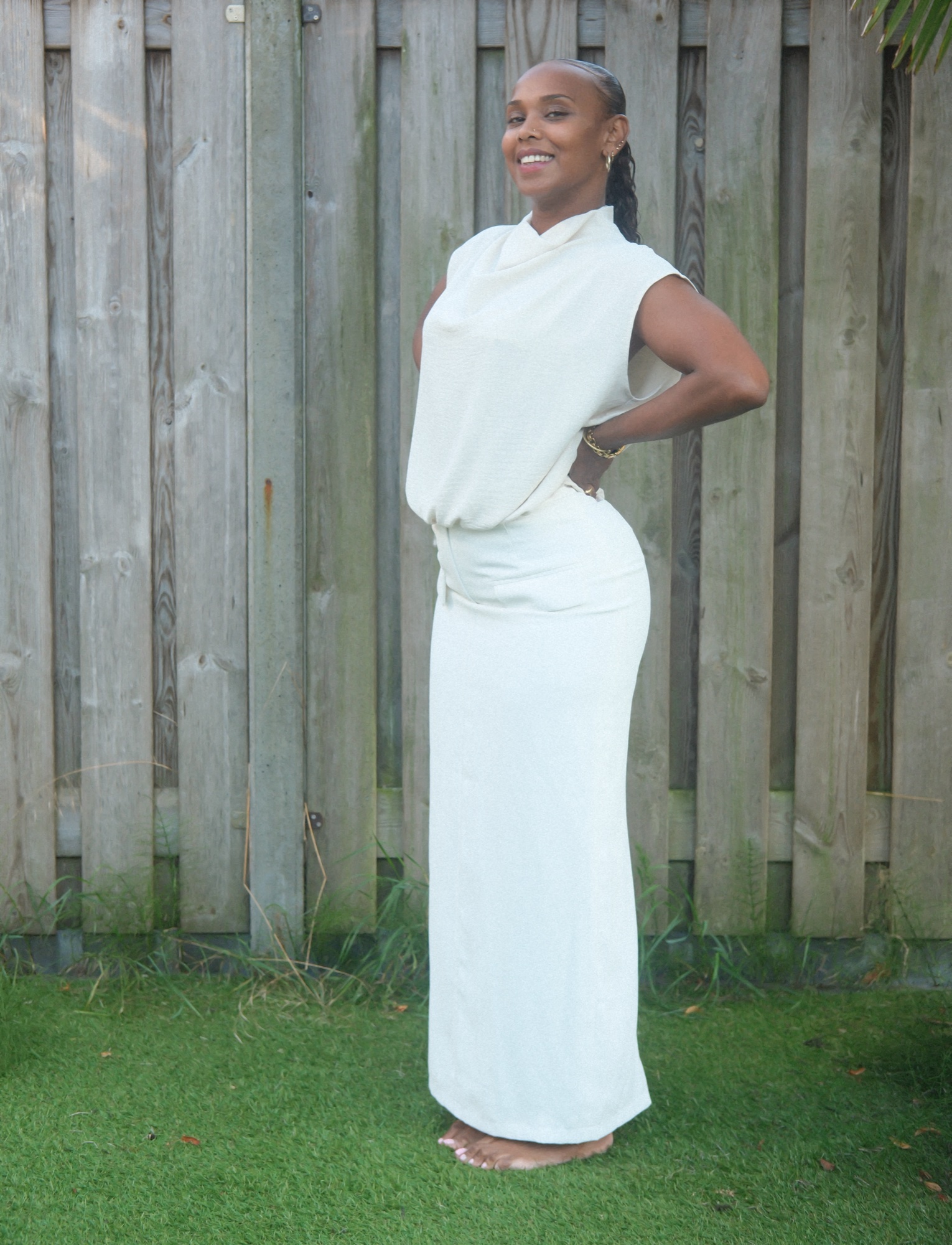
Diarra DSF9727

How you can help

First of all, I would like to ask you to share my story and help spread the word, so that my appeal can reach as many people as possible and my story can receive wider attention for its purpose.

If you have any questions or would like more information about living liver donation and what is required, please feel free to reach out. You are always welcome to contact me for more information or to get in touch directly with Erasmus Medical Center.

At Erasmus MC, you can find out more about living donation without any obligation and be assessed as a potential donor. This can be done confidentially and without my involvement in the process. As the recipient of a liver donation, I will not be informed during this process. Erasmus MC handles all information carefully and confidentially.

Here on this platform (toliveher), you can also find more information about my story, my appeal and living liver donation.

Learn about AIH

Thank you for taking the time to read my story and my appeal. And above all, thank you for sharing, thinking along with me and helping my story reach more people.

Love, Diarra

Do you have a question, want to support me, or would you like to get in touch? Send me a message using the form below.